Legacy System Modernization: The 2026 Strategic Guide for KSA Government Sector
In the current era of unprecedented digital acceleration within the Kingdom of Saudi Arabia, Legacy System Modernization has transitioned from a technical preference to a core national mandate. Driven by the ambitious goals of Saudi Vision 2030, government entities are now required to move beyond fragmented, aging infrastructures toward a unified, proactive digital government ecosystem.
For Chief Information Officers (CIOs) and IT leaders, transforming outdated infrastructure is the primary vehicle to eliminate “Technical Debt.” It ensures full compliance with the Digital Government Authority (DGA) and National Cybersecurity Authority (NCA) frameworks. Without a clear strategy for Legacy System Modernization, organizations risk operational stagnation and increased vulnerability to modern cyber threats.
1. Defining Legacy System Modernization in the Modern Era
What defines a “Legacy System” in 2026? It is no longer just about the age of the software. In today’s interoperable environment, a legacy system is any mission-critical infrastructure that lacks the architectural agility to integrate with the Government Service Bus (GSB) or fails to support real-time data exchange via modern APIs.
Effective Legacy System Modernization involves more than just a “face-lift” for user interfaces. It requires a fundamental shift toward Cloud-Native architectures and Microservices. By updating these aging systems, Saudi government entities can achieve unprecedented levels of resilience, ensuring that national services remain operational and secure under any circumstances.
The process of infrastructure transformation must be viewed as a long-term investment. Modernizing these environments allows for the seamless adoption of Artificial Intelligence (AI) and Machine Learning, which are becoming central to the Saudi e-government strategy. This evolution is the cornerstone of Legacy System Modernization in the current decade.
2. Strategic Drivers for Legacy System Modernization in KSA
A. Digital Sovereignty and Advanced Cybersecurity
Legacy systems are notoriously difficult to patch and secure, often relying on “End-of-Life” (EOL) components. Modernizing these environments is the only way to implement a Zero Trust Security architecture. By choosing Legacy System Modernization, Saudi entities protect sovereign data and ensure that their defense perimeters meet the rigorous standards set by the NCA.
B. Financial Efficiency and Redirecting IT Budgets
Maintaining obsolete systems is a financial drain, often consuming up to 75% of a government entity’s IT budget. Strategic digital upgrades allow CIOs to shift from “maintenance-heavy” spending to “innovation-led” investments. This financial optimization is key to funding next-generation Digital Transformation Services that drive actual value for the Kingdom’s economy.
C. Compliance with the Digital Government Authority (DGA)
The Digital Government Authority (DGA) is pushing for a “Government-as-a-Platform” model. Systems that cannot talk to Nafath (National Single Sign-On), SPL (Saudi Post), or other cross-entity services effectively cease to be functional. Therefore, Legacy System Modernization ensures that your organization remains a vital part of the Kingdom’s integrated digital fabric and adheres to the latest regulatory standards.
3. Methodologies for Legacy System Modernization: The 7 R’s Framework
Success in this field requires choosing the right approach based on the specific business value and technical risk of each application:
1. Retain: Keeping the system as is if it still meets all current security and integration standards while planning for future upgrades. This is often a temporary phase in the broader Legacy System Modernization roadmap.
2. Rehost (Lift & Shift): Moving the application to a cloud environment without changing its core code. This provides immediate infrastructure benefits but may not solve underlying architectural issues.
3. Replatform: Making minor code adjustments to leverage basic cloud capabilities, such as managed databases or automated scaling, without a complete overhaul.
4. Refactor: Optimizing the existing code to remove technical debt and improve performance. This is a highly sustainable path for Legacy System Modernization that maintains the core business logic.
5. Rearchitect: Shifting to a new, modern architecture like Microservices. This allows the system to scale individual components independently and increases fault tolerance.
6. Rebuild: Redesigning the system from scratch using modern programming languages (like Go or Python) and frameworks to ensure long-term scalability and security.
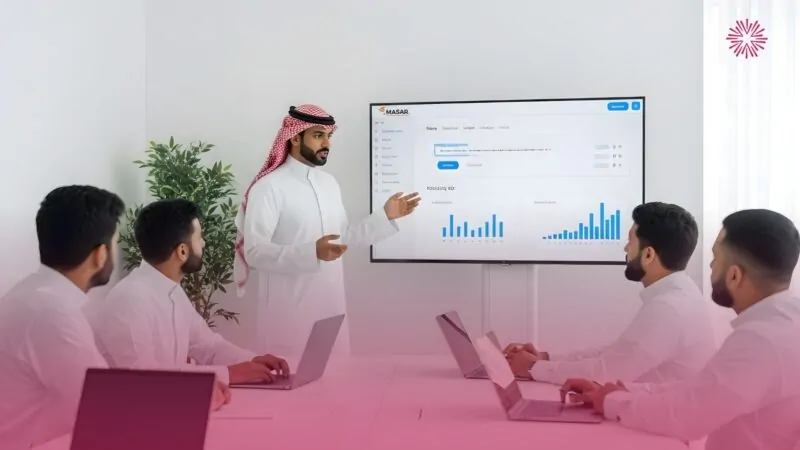
7. Replace: Phasing out the legacy system entirely and replacing it with a comprehensive SaaS solution like the Masar System by Tafeel, which is pre-integrated with Saudi national standards.
4. Addressing Challenges in Legacy System Modernization
Modernizing complex government systems is not without its hurdles. One of the primary challenges is Data Migration. Moving decades of sensitive government data from old proprietary databases to modern, open standards requires meticulous planning to prevent data loss or corruption.
Another significant challenge is Business Continuity. Government services cannot afford downtime. Implementing a phased “parallel run” strategy, where the old and new systems work together during the transition, is often the safest route in Legacy System Modernization.
Finally, Cultural Resistance can often be the biggest barrier. Employees who have used the same system for 20 years may resist new digital workflows. A comprehensive change management strategy, including hands-on training and clear communication of the benefits, is essential for the success of any Legacy System Modernization project.
5. Leveraging the Masar System for Legacy System Modernization
For many Saudi entities, the most efficient route is adopting a proven, national platform. The Masar System by Tafeel provides a sovereign, high-security infrastructure designed specifically for KSA regulations.
■ Intelligent Correspondence (CTS): Transitioning from paper-based legacy mail to a fully encrypted, digital tracking system with certified electronic signatures.
■ Committee & Board Management: Eliminating manual meeting coordination through a digital governance module that manages everything from agendas to automated minutes.
■ NCA-Compliant Archiving: Ensuring national records are preserved in a system that fully adheres to the National Center for Archives and Records regulations.
■ API-First Design: Built to integrate instantly with national portals (IAM, GSB, and SPL), making it the perfect replacement for siloed legacy software.
■ Proactive Decision Support: Leveraging data analytics within Masar to provide leadership with real-time insights into departmental performance and task completion rates.
6. The Roadmap to Successful Legacy System Modernization
To ensure a high ROI, CIOs should follow a disciplined implementation roadmap. It begins with a Comprehensive Discovery Phase, where every dependency of the legacy system is mapped. This is followed by a Gap Analysis to see how far the current system is from DGA and NCA requirements.
The next step is the Pilot Deployment. By modernizing a single, low-risk department first, the IT team can refine its processes before scaling Legacy System Modernization across the entire organization. This agile approach minimizes risk and builds confidence among stakeholders.
Conclusion: Your Future-Ready Infrastructure Starts Today
The journey of Legacy System Modernization is more than a technical upgrade; it is a strategic investment in the Kingdom’s digital future. By eliminating outdated silos and embracing modern platforms like Masar, Saudi entities can achieve the agility and security required by Vision 2030.
Is your organization ready for a modern digital era?
Connect with Tafeel’s Experts Today to explore our Digital Transformation Services and start your modernization journey.